Frequently Asked Questions
None - No questions provided for evaluation?
The absence of questions indicates there are currently no specific inquiries to address regarding our bulk river rocks or landscaping supplies. Please feel free to reach out with any questions you may have about our products and services.
Where can I buy river rocks?
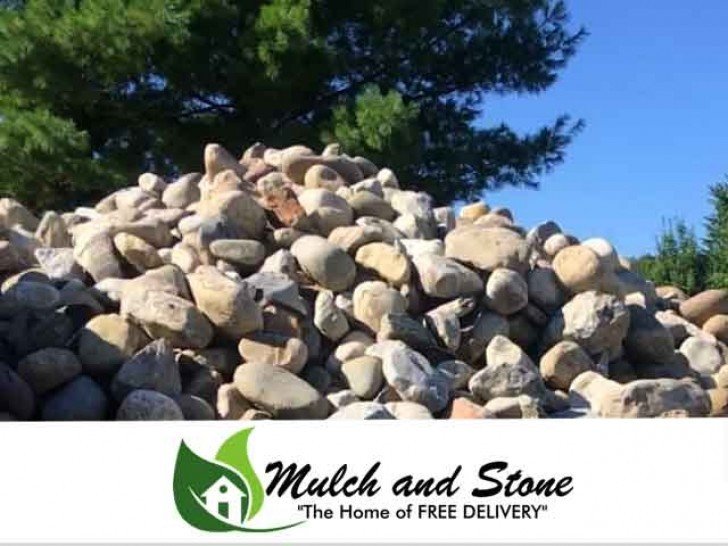
You can buy river rocks at Mulch & Stone Landscape Supply, where we offer high-quality bulk river rocks in various sizes, including the popular 5-8 inch option, with convenient online ordering and free delivery in Maryland and Virginia.
What sizes of river rocks are available?
The available sizes of river rocks include various options, with the most popular being 3-5 inches. We also offer other sizes to accommodate different landscaping needs.
How much do bulk river rocks cost?
The cost of bulk river rocks varies based on size and quantity. Typically, the price for 5-8 inch river rocks ranges from $100 to $150 per ton, with options for free delivery in Maryland and Virginia.
What are the uses of river rocks?
The uses of river rocks are diverse and beneficial for landscaping projects. They can be employed for decorative pathways, garden borders, drainage solutions, and erosion control, enhancing both the aesthetic appeal and functionality of outdoor spaces.
Can river rocks improve landscaping aesthetics?
River rocks can significantly enhance landscaping aesthetics by adding natural beauty and texture to outdoor spaces. Their varied colors and shapes create visual interest, complementing plants and hardscapes while promoting a cohesive design.
How to choose the right river rocks?
Choosing the right river rocks involves considering their size, color, and intended use in your landscaping project. For optimal results, select rocks that complement your design and meet functional needs, such as drainage or aesthetic appeal.
What is the delivery process for river rocks?
The delivery process for river rocks involves placing your order online, selecting the desired weight, and scheduling a delivery time. We offer free delivery to ensure your landscaping materials arrive promptly and safely at your location in Maryland or Virginia.
Are river rocks suitable for drainage?
River rocks are suitable for drainage due to their size and shape, which allows water to flow through easily, preventing pooling and promoting effective water management in landscaping projects.
How to install river rocks in landscaping?
Installing river rocks in landscaping involves first preparing the area by clearing debris and leveling the ground. Next, lay down landscape fabric to prevent weeds, then distribute the river rocks evenly to achieve the desired look and depth.
What colors do river rocks come in?
River rocks come in a variety of colors, including shades of gray, brown, black, and tan, as well as vibrant hues like red and blue. This diverse color palette allows for creative landscaping designs.
Can I order river rocks online?
You can order river rocks online through our website. We offer a convenient online ordering system, allowing you to select the quantity and have your bulk river rocks delivered directly to your location in Maryland or Virginia.
What is the weight of bulk river rocks?
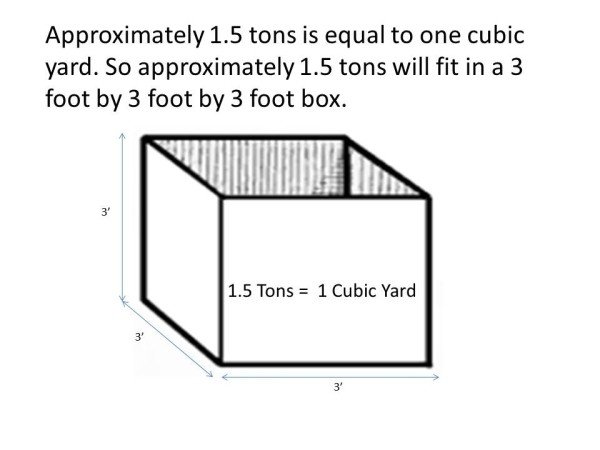
The weight of bulk river rocks varies, but typically, 5-8 inch river rocks weigh approximately 1,500 to 2,000 pounds per cubic yard. This weight can help you estimate the quantity needed for your landscaping project.
How to maintain river rock landscaping?
Maintaining river rock landscaping involves regularly removing debris and weeds, ensuring proper drainage, and occasionally replenishing the rocks to maintain their aesthetic appeal. Additionally, using a landscape fabric underneath can help prevent weed growth.
Are river rocks eco-friendly landscaping materials?
River rocks are eco-friendly landscaping materials because they are natural, sustainable, and require minimal maintenance. They help reduce soil erosion and can improve drainage, making them a great choice for environmentally conscious landscaping projects.
What projects benefit from using river rocks?
The projects that benefit from using river rocks include landscaping features such as pathways, decorative borders, drainage solutions, and garden beds, enhancing both aesthetics and functionality in outdoor spaces.
How to calculate the amount of river rocks needed?
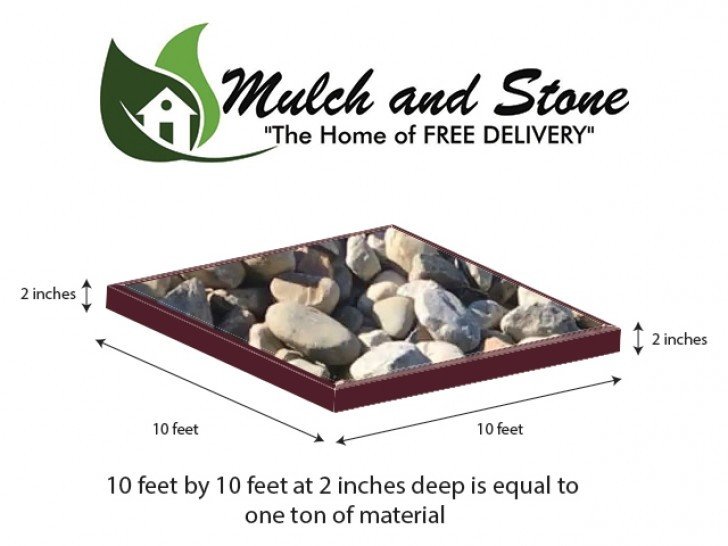
Calculating the amount of river rocks needed involves measuring the area you plan to cover and determining the desired depth. Multiply the area (in square feet) by the depth (in feet) to find the cubic feet required, then convert to cubic yards by dividing by 27.
What is the difference between river rocks and gravel?
The difference between river rocks and gravel lies in their size and origin. River rocks are naturally smooth and rounded stones, typically larger and used for decorative purposes, while gravel consists of smaller, angular fragments often used for drainage and base materials in construction.
Can river rocks be used in gardens?
River rocks can be effectively used in gardens. They serve as decorative ground cover, help with drainage, and can prevent weed growth, making them a versatile and attractive choice for landscaping projects.
What are the benefits of using bulk river rocks?
The benefits of using bulk river rocks include their durability, natural aesthetic appeal, and versatility in landscaping. They help with drainage, weed control, and erosion prevention, making them an excellent choice for various outdoor projects.
How to clean river rocks for landscaping?
Cleaning river rocks for landscaping involves rinsing them with water to remove dirt and debris, using a pressure washer for stubborn stains, and allowing them to dry in the sun before reapplying them in your landscape design.
What tools are needed for river rock installation?
The tools needed for river rock installation include a shovel for digging, a rake for leveling, a wheelbarrow for transport, and landscaping fabric to prevent weed growth. Optional tools are gloves for protection and a tamper for compacting the base.
Can river rocks help with soil erosion?
River rocks can effectively help with soil erosion by stabilizing the soil and reducing runoff. Their weight and size create a strong barrier that protects the underlying soil from being washed away during heavy rains.
What is the best way to transport river rocks?
The best way to transport river rocks is by using a sturdy truck or trailer with a reinforced bed, ensuring the rocks are secured to prevent shifting during transit. Consider using a tarp for added protection against moisture and debris.
How do river rocks affect soil temperature?
River rocks affect soil temperature by acting as a natural insulator. They help regulate soil temperature, keeping it cooler in the summer and warmer in the winter, which can promote healthier plant growth and improve overall landscape aesthetics.
Are there any disadvantages to using river rocks?
The disadvantages of using river rocks include their potential to retain heat, making the surrounding area warmer, and the possibility of shifting or moving over time, which may require maintenance to keep them in place.
What is the lifespan of river rocks in landscaping?
The lifespan of river rocks in landscaping is virtually indefinite. Once installed, they require minimal maintenance and can withstand weather conditions, making them a durable and long-lasting choice for various landscaping projects.
How to create a river rock pathway?
Creating a river rock pathway involves first marking the desired path outline, then excavating the soil to a depth of about 3-4 inches. Next, lay down landscape fabric to prevent weeds, followed by filling the area with 5-8 inch river rocks for a durable and attractive finish.
Can river rocks be painted or stained?
River rocks can be painted or stained to enhance their appearance. However, it’s important to use outdoor-rated paints or stains to ensure durability and prevent fading over time.
What are the best plants to pair with river rocks?
The best plants to pair with river rocks include succulents, ornamental grasses, and drought-tolerant perennials, as they thrive in well-drained soil and complement the natural aesthetic of the rocks in landscaping projects.