
Topsoil-compost-overview-11: Topsoil vs Compost: Key Differences
By Mulch and Stone Editorial Team · Updated 2026-08-04
Topsoil serves as bulk growing medium for filling new beds or low spots, compost enriches existing soil with organic matter, and amendments target specific deficiencies. Mulch and Stone, an 8-truck, 10-employee company in Centreville, delivers topsoil, compost, and mulch throughout Virginia and Maryland, and offers a project calculator online.
Topsoil, compost, and soil amendments each serve distinct roles in a landscaping project. Topsoil, sold by Mulch and Stone in cubic yards, supplies the growing medium and volume for new beds or lawns. Compost enriches existing soil with organic matter and biological activity. Amendments target specific deficiencies, correcting drainage, pH, or nutrient gaps.
Key Takeaways
- Topsoil provides soil volume and nutrients for new garden beds and plant establishment.
- Compost adds organic matter to established planting areas, improving soil structure and water retention.
- Mulch protects exposed soil from drying, suppresses weeds, and regulates soil temperature effectively.
- Mulch and Stone delivers bulk materials throughout Virginia and Maryland with a fleet of 8 trucks.
What is topsoil and what does it do?
Topsoil is the uppermost layer of natural soil, typically the top 2 to 8 inches where most biological activity and organic matter concentrate in undisturbed ground. This material serves as the primary growing medium for plants, providing the volume and basic physical structure that root systems need to anchor and spread. Without adequate topsoil, plants lack the foundation required for healthy establishment and long-term growth.
What makes topsoil different from other landscape materials?
Topsoil functions as bulk growing medium — the base material plants root into, offering volume and physical structure. Compost, by contrast, is a concentrated soil amendment that feeds existing soil with decomposed organic matter. Mulch forms a protective surface layer that manages moisture, temperature, and weed pressure. These three materials solve different problems and should not be treated as interchangeable.
When does a project specifically require topsoil?
A landscaping project needs topsoil when filling a space that has no existing soil at all. Common scenarios include building a new raised bed for vegetables or flowers, filling a low spot in a lawn where water pools, or creating a new garden bed where construction removed the original soil layer. Using topsoil in these situations gives plants a proper rooting environment from the start.
For homeowners and contractors in Northern Virginia. Maryland, The Ultimate Guide to Bulk Topsoil: Types, Uses, and Delivery services from Mulch and Stone provide a reliable way to get the right material delivered directly to the project site. The company offers delivery throughout Virginia and Maryland for both residential. Commercial projects, ensuring customers receive high-quality topsoil without the hassle of transporting it themselves.
What topsoil does-11 extends beyond simply filling space. This material provides the physical structure that supports root development, retains moisture around plant roots, and serves as the medium into which amendments like compost can be mixed. A successful landscape project starts with understanding that topsoil is the foundation — everything else builds on top of it.
Topsoil-compost-overview-11 clarifies that these two materials work together rather than competing. Topsoil provides the volume and structure; compost enriches that volume with nutrients and biological activity. Using both in the correct proportions creates an optimal growing environment for lawns, gardens, and ornamental plantings.
How is compost different from topsoil?
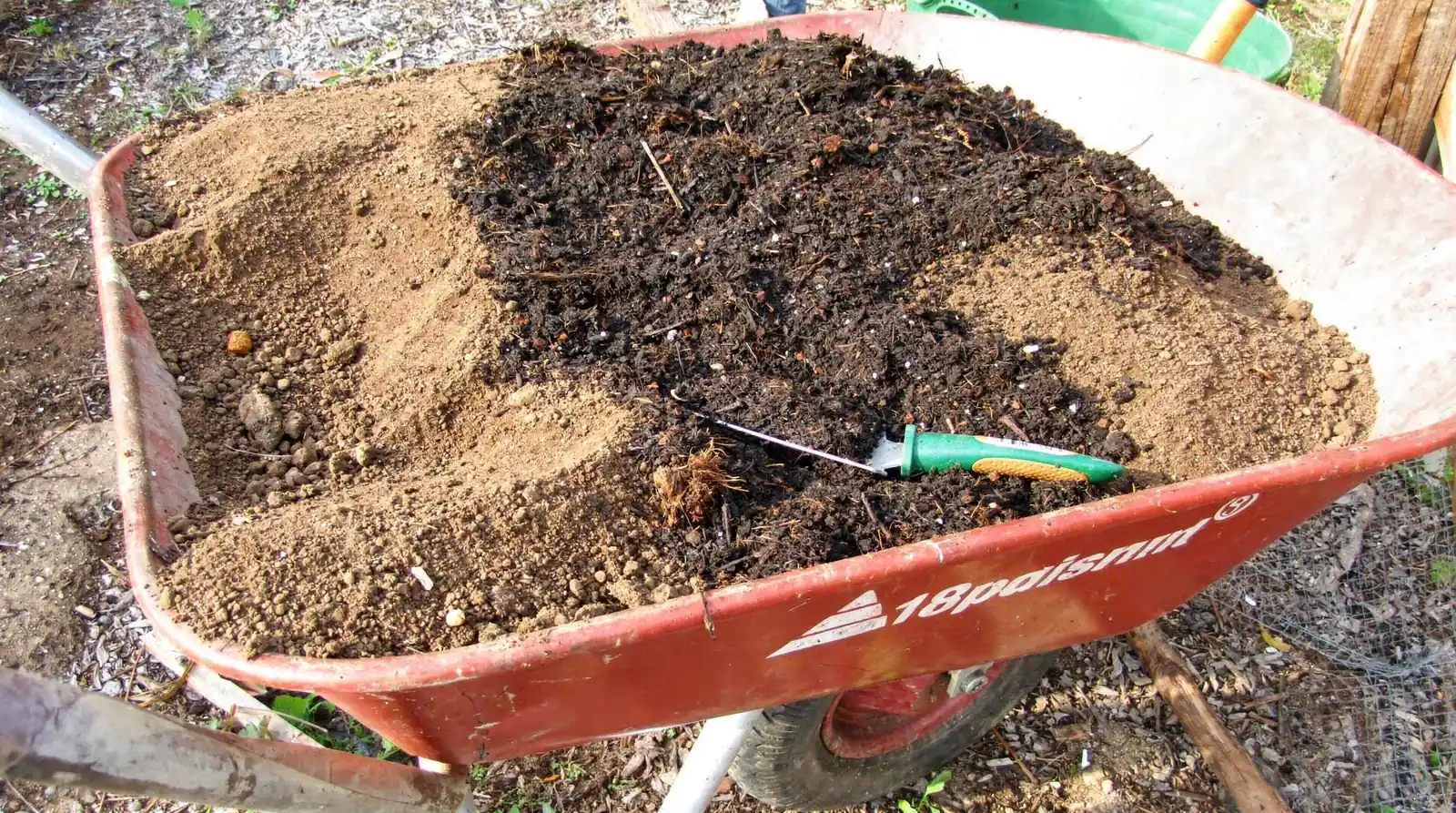
Compost is decomposed organic matter that enriches existing soil with nutrients and biological activity. Topsoil provides the physical base and volume that plants root into. Compost acts as a concentrated soil amendment that feeds whatever soil it touches. These two materials solve different problems rather than competing for the same job.
Compost results when microorganisms feed on organic matter, breaking it down into a dark, nutrient-rich material that gardens thrive on. This biological process creates a product that improves the fertility of the soil it’s mixed into. Compost does not replace topsoil; instead, it boosts the performance of the growing medium already in place.
Can compost be used instead of topsoil?
Compost cannot substitute for topsoil in most projects. A new raised bed or a low spot in a lawn needs bulk topsoil to fill the space and provide structure. Compost works best when blended into that topsoil to add nutrients and support healthy microbial activity.
What does each material do best?
For homeowners planning a garden project, the practical approach follows a simple sequence:
- Assess the space — determine whether the area lacks soil volume or just needs fertility.
- Choose the base — select topsoil when filling a space that has no soil at all.
- Add compost — mix in compost to make existing soil, topsoil included, more fertile.
- Order both — many projects require topsoil for volume and compost for enrichment.
Mulch and Stone offers bulk compost alongside topsoil, mulch, gravel, woodchips, and Bulk Seasoned Firewood Delivery: What to Know Before You Order for customers in Maryland and Virginia. Ordering both materials together simplifies delivery and ensures the right foundation for healthy plant growth.
What are soil amendments and how do they fit?
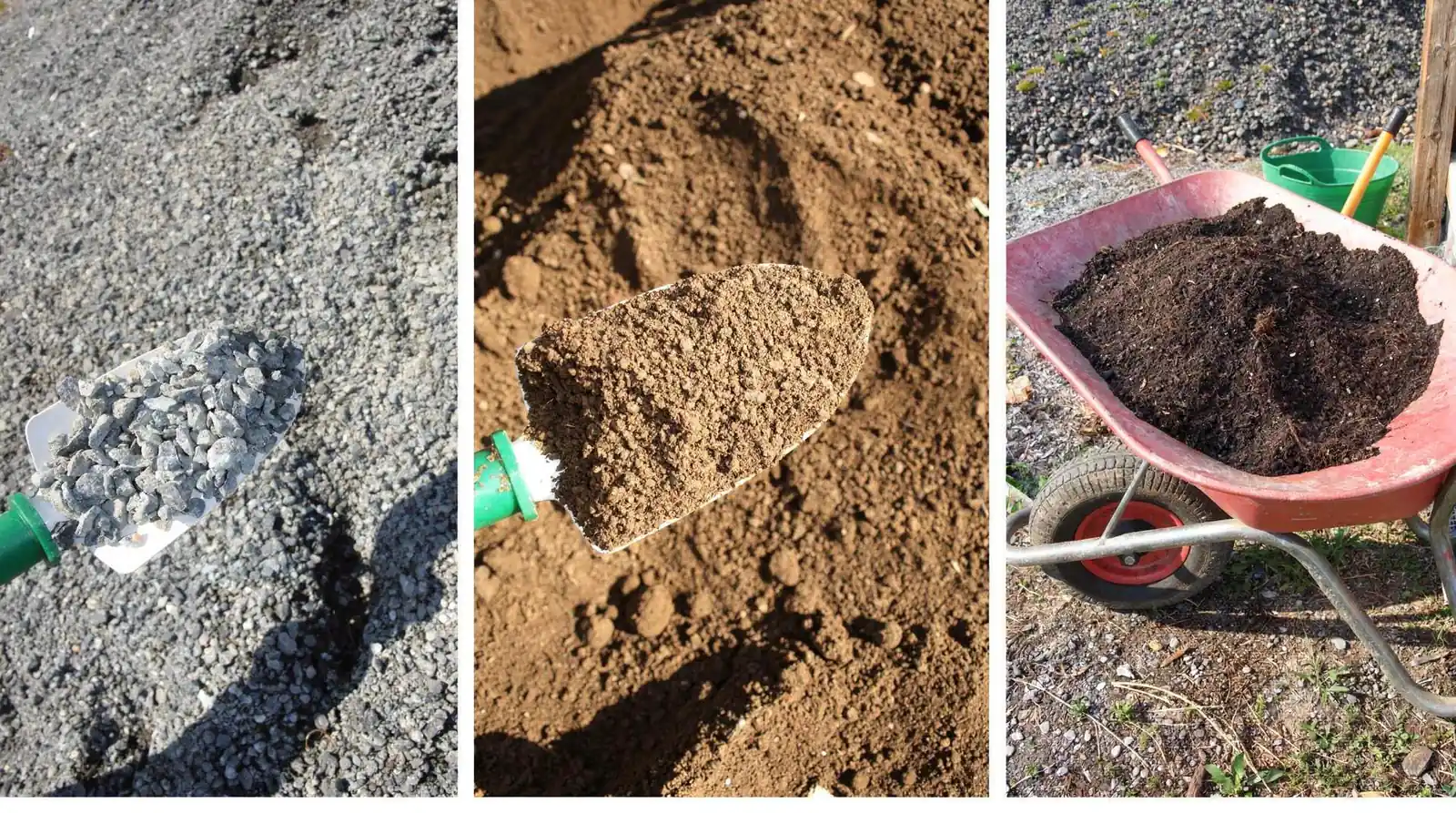
Soil amendments are materials added to existing soil to improve its physical properties, fertility, or structure. Unlike topsoil, which provides the bulk growing medium and volume for plant roots, amendments correct specific deficiencies in the soil already present. Compost is the most common soil amendment — decomposed organic matter that feeds whatever soil it is added to. Other amendments include peat moss for moisture retention, lime for pH adjustment, and sand for drainage improvement.
How does compost differ from topsoil as an amendment?
Compost and topsoil solve different problems. Topsoil is the base material plants root into, providing volume and basic physical structure. A homeowner with thin, nutrient-poor soil does not need to replace all of it. Adding a 2- to 3-inch layer of compost and tilling it into the top 6 to 8 inches transforms poor soil into fertile ground without the expense of full replacement.
When should a customer use a soil amendment instead of new topsoil?
Use a soil amendment when the existing soil has adequate volume but lacks fertility, organic content, or proper structure. Common scenarios include:
- Established garden beds where plants show slow growth or yellowing leaves
- Clay-heavy soil that drains poorly and compacts easily
- Sandy soil that loses water and nutrients too quickly
- Lawns that need a nutrient boost without raising the grade
Mulch and Stone offers bulk materials that serve as soil amendments, including compost and topsoil blends. For customers in Northern Virginia and Maryland, bulk topsoil delivery md-11 provides a practical way to source both base soil and amendment materials in a single order. This topsoil-compost-overview-11 helps property managers and homeowners understand what-topsoil-does-11. It provides the volume, while amendments like compost supply the fertility.
When should you use topsoil for your project?
Topsoil is the right material when a project needs to add volume to a garden bed, fill low spots in a lawn, or create a new planting area from scratch. This material serves as the bulk growing medium that plants root into, providing the physical structure and mineral content necessary for anchoring roots and accessing water. Using topsoil in the wrong context — such as spreading it as a surface layer without mixing. Wastes material and can smother existing plant roots.
What does topsoil actually do for a landscape?
A topsoil-compost-overview-11 comparison reveals that topsoil and compost solve different problems. Topsoil provides volume and basic physical structure, while compost enriches existing soil with organic matter. For a new raised bed, topsoil fills the empty space and gives roots something to grow into. For an established bed, topsoil alone does not add fertility — that requires compost or fertilizer.
How does topsoil help with lawn projects?
What-topsoil-does-11 for lawns includes leveling uneven ground and creating a healthy base for grass seed or sod. A thin layer of topsoil spread over a bumpy lawn fills depressions and provides a smooth surface. Grass roots establish more quickly in a consistent, well-structured topsoil layer than in compacted subsoil or clay.
Where can homeowners get topsoil delivered?
Bulk-topsoil-delivery-md-11 services from Mulch and Stone make large projects practical. The company delivers topsoil directly to residential and commercial properties throughout Virginia and Maryland. For a new garden bed or lawn renovation, ordering by the cubic yard ensures enough material without multiple trips to a garden center.
- Measure the area — calculate length times width for square beds, or use the online calculator for irregular shapes.
- Determine depth — most garden beds need 6 to 8 inches of topsoil; lawn leveling requires 1 to 2 inches.
- Order delivery — schedule a drop-off that places the pile close to the work area to minimize wheelbarrow trips.
When should you use compost instead of topsoil?
Compost serves a different purpose than topsoil, and choosing the wrong one wastes time and money. Gardeners should reach for compost when existing soil is poor, compacted, or lacking organic matter. Topsoil adds volume; compost adds fertility.
Compost works as a concentrated soil amendment rather than a standalone growing medium. This decomposed organic matter feeds whatever soil it touches, making it the right choice for established beds that need a nutrient boost. A garden with heavy clay or sandy, nutrient-poor dirt responds well to compost worked into the top few inches. The material enriches existing soil with organic matter and biological activity, which helps plants establish stronger root systems.
How should compost be applied to existing beds?
Compost performs best when mixed into the top few inches of soil or applied as a top dressing around established plants. For new beds, blend compost into the planting area before adding plants. For existing gardens, spread a layer across the surface and let earthworms work it down. This approach improves soil structure without disturbing plant roots.
What happens when compost is used as a standalone growing medium?
Compost alone fails as a growing medium because it lacks the mineral structure of topsoil. Plants need that mineral base for proper drainage and root anchorage. Using pure compost in containers or raised beds leads to waterlogged roots and unstable plants. The material works best as an amendment, not a replacement.
Mulch and Stone supplies bulk compost for customers who need to enrich garden beds or improve soil health. Homeowners planning a garden project should assess their soil first. If the ground is compacted or nutrient-poor, compost is the right call. If the space needs volume, topsoil is the better option.
How do you calculate how much material you need?
Calculating the right volume of topsoil, compost, or mulch prevents wasted money and project delays. Mulch and Stone provides an online calculator that helps customers determine the exact amount of material needed for any landscaping project. This tool eliminates guesswork by converting project dimensions into precise cubic yard or ton measurements.
What measurements does the calculator require?
The calculator asks for the length, width, and desired depth of the area being filled. For a rectangular garden bed, customers measure the length and width in feet, then decide how deep the material should sit. The tool automatically converts these dimensions into the correct volume of topsoil or compost. Mulch and Stone sells by the cubic yard. For gravel or stone projects, the calculator provides tonnage estimates instead. Those materials are sold exclusively by the ton with a 1-ton minimum delivery.
How does using the calculator save time and money?
Ordering too much material wastes money on product that sits unused. Ordering too little forces customers to place a second delivery, which adds wait time and additional delivery fees. By entering the dimensions of a driveway, garden bed, or lawn area into the calculator, customers avoid the hassle of over-purchasing or running short on materials. The tool ensures every delivery contains exactly what the project requires, keeping budgets on track and schedules moving forward.
Steps to calculate material needs:
- Measure the length and width of the project area in feet.
- Decide the depth of material needed — 2 to 3 inches for topsoil in new beds, 1 to 2 inches for compost as an amendment.
- Enter all three dimensions into the Mulch and Stone online calculator.
- Review the result, which shows cubic yards for topsoil and compost or tons for gravel and stone.
- Place the order knowing the delivery will match the project’s exact requirements.
This topsoil-compost-overview-11 approach clarifies what-topsoil-does-11 in practical terms: it fills volume, while compost enriches. For customers in the region, bulk-topsoil-delivery-md-11 becomes straightforward when the calculator confirms the correct yardage before ordering.
What are common mistakes when using topsoil and compost?
The most frequent error homeowners make is treating topsoil and compost as interchangeable products. This mistake leads to poor drainage, wasted material, and plants that struggle to establish. Compost serves as a concentrated soil amendment, while topsoil provides the bulk growing medium. Using compost alone to fill a raised bed or level a lawn creates a dense, waterlogged environment that suffocates plant roots.
Can too much compost harm plants?
Yes, overloading soil with compost creates problems. Compost is decomposed organic matter that feeds whatever soil it is added to. Applying excessive amounts overloads the soil with nutrients, which can burn delicate root systems and cause stunted growth. A thin 1- to 2-inch layer mixed into existing soil provides sufficient fertility for most garden projects.
What happens when customers use low-quality topsoil?
Low-quality topsoil introduces weed seeds, debris, and inconsistent texture into garden beds. Many bagged products sold at garden centers contain blends of mineral soil that may include rocks or untreated fill material. These impurities create uneven drainage and force plants to compete with weeds for water and nutrients. Screened, tested topsoil from a reliable supplier eliminates these risks.
How to avoid these mistakes
- Match the material to the job. Use topsoil for filling volume in raised beds, leveling low spots, or establishing new lawns. Use compost only as an amendment to enrich existing soil.
- Limit compost application. Mix compost into the top 6 to 8 inches of soil at a ratio of roughly 20 to 25 percent compost to 75 to 80 percent topsoil or native soil.
- Source from a trusted supplier. Mulch and Stone’s customer service representatives are available Monday through Friday from 7:00 AM to 5:00 PM and Saturdays from 7:00 AM to 2:00 PM to help customers select the right materials for each project. This guidance prevents the costly mistake of ordering the wrong product.
A topsoil-compost-overview-11 approach clarifies that these materials solve different problems. Understanding what-topsoil-does-11 — providing volume, structure, and a rooting medium — prevents substitution errors. For customers in the region, bulk-topsoil-delivery-md-11 from a supplier that screens material ensures the project starts with a clean, consistent base.
How do you order bulk topsoil delivery in Maryland?
Ordering bulk topsoil delivery md-11 requires a straightforward process through a regional landscape supplier. Mulch and Stone enables customers to order topsoil by the cubic yard directly through the company website. The supplier operates with a fleet of 8 trucks, ensuring reliable logistics that reduce project downtime for homeowners and contractors alike. Located in Centreville, Fairfax County, the company serves the broader Northern Virginia and Maryland region.
What steps should customers follow to place an order?
- Calculate the required volume. Use the online stone and Bulk Gravel Delivery in Northern Virginia & Maryland | Mulch and Stone on the Mulch and Stone website to determine the exact cubic yards needed for the project area.
- Select the product. Navigate to the topsoil category and choose the desired material type and quantity.
- Schedule delivery. Provide the delivery address and preferred date during checkout. The fleet of 8 trucks handles residential and commercial drop-offs across Maryland.
What does bulk topsoil delivery md-11 include?
The delivery service places materials directly where customers specify, minimizing manual handling. This approach helps property managers and homeowners avoid project delays caused by waiting for materials. The company emphasizes dependable logistics as a core part of the what-topsoil-does-11 value proposition. Getting the right growing medium to the job site quickly.
How does the ordering process differ for contractors versus homeowners?
Both groups use the same website interface and cubic-yard pricing structure. Contractors benefit from the fleet capacity to schedule larger, recurring deliveries without interrupting project timelines. Homeowners receive the same reliable service for single-yard orders, making the system accessible for any project scale.
FAQ
Can I use topsoil and compost together?
Yes—topsoil provides the volume and structure for a bed. Compost enriches that same soil with organic matter and biological activity. They work together rather than as substitutes for each other.
Do I need topsoil or compost for an established garden bed?
Established beds benefit most from compost, since it improves soil structure and water retention in existing soil. Topsoil is meant for filling new beds or areas lacking soil, not enriching planted areas.
Where can I get topsoil and compost delivered in Virginia or Maryland?
Mulch and Stone, based in Centreville, Fairfax County, delivers bulk topsoil, compost, and other landscape materials throughout Virginia and Maryland. Customers can also use the company’s calculator to determine the amount needed for their project.
Facts
- Mulch and Stone is located in Centreville, Fairfax County, US.
- Mulch and Stone has 10 employees.
- Mulch and Stone offers bulk mulch, topsoil, compost, gravel, woodchips, and seasoned firewood.
- Mulch and Stone sells bulk #3 bluestone surge gravel.
- Mulch and Stone offers a calculator to determine the amount of material needed for a project.
- Mulch and Stone offers delivery services for high-quality organic mulch throughout Virginia and Maryland.
- Mulch and Stone’s customer service representatives are available Monday through Friday from 7:00 AM to 5:00 PM and Saturdays from 7:00 AM to 2:00 PM.
- Mulch and Stone operates with a fleet of 8 trucks.