
Best Firewood for Firepit: Everything You Need to Know
Best Firewood: Kiln-Dried vs. Seasoned — Which One Should You Burn? When temperatures drop, there’s nothing like the warmth and crackle of a real wood

Best Firewood: Kiln-Dried vs. Seasoned — Which One Should You Burn? When temperatures drop, there’s nothing like the warmth and crackle of a real wood

Why Bulk Mulch Gravel and Stone Are Better Than Bagged Materials for Landscaping & DIY Projects When it comes to landscaping and construction, one of
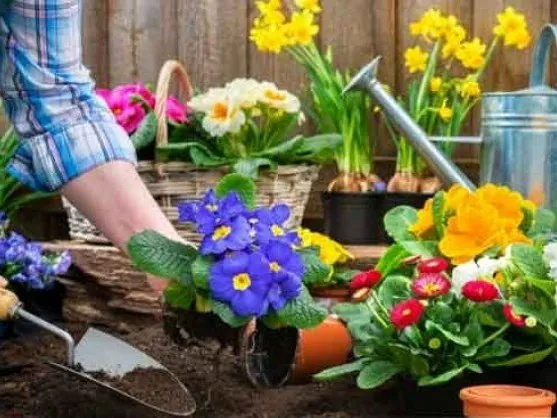
5 Best Garden Soil Products for Healthy Plants and Thriving Gardens When it comes to cultivating a beautiful and thriving garden, the best garden soil

Crushed Bluestone Gravel: 5 Reasons It’s the Best for Your Project When it comes to planning a landscaping or construction project, choosing the right material

Discover how renewing your garden beds this season does more than boost curb appeal — it protects your plants, saves you money, and enhances your

Best Mulch for Garden Prep: Why It’s Crucial for Your Garden’s Success As the weather warms up, there’s no better time to start prepping your
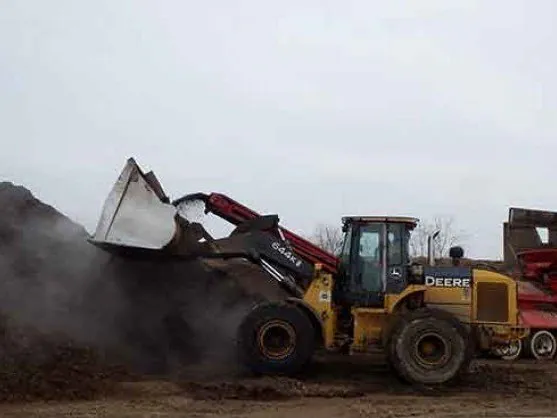
3 Reasons You Should Be Using Mulch in Your Yard This Season If you’ve never used mulch in your garden or yard, you might be

Seasoned Firewood Benefits Seasoned Firewood vs Unseasoned Firewood: 7 Essential Differences You Must Know (Ultimate Guide) When you’re shopping for the right fuel for your
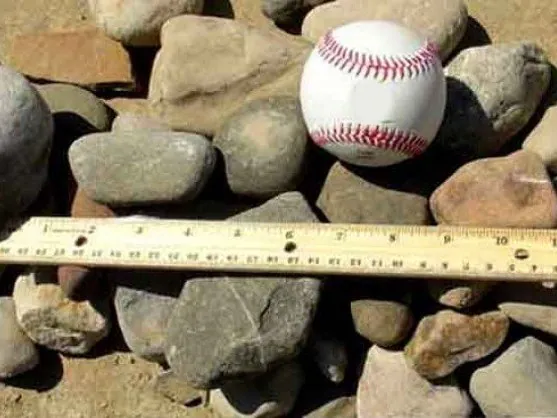
Enhance Your Landscape with 1–3 Inch Decorative River Rock When it comes to landscaping, the right materials can make all the difference, blending beauty with
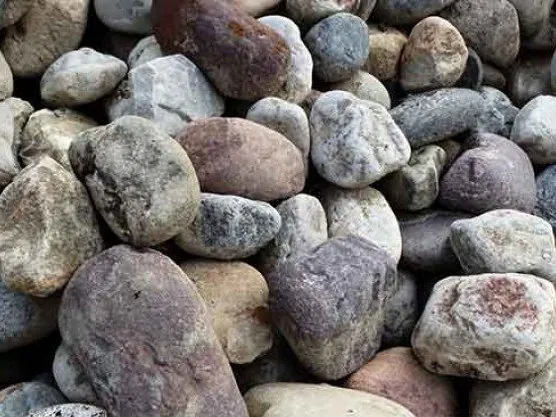
Transform Your Landscape with 3–5 Inch Decorative River Rock When you’re designing an outdoor space that balances natural beauty with long-term durability, few materials offer
Choosing the right type of mulch is crucial for effective landscaping. Different materials, such as organic and inorganic mulches, serve various purposes in garden aesthetics and plant health.
Understanding these distinctions can help homeowners select the best mulch for their specific landscaping needs, leading to healthier plants and a more appealing outdoor space.
Mulching offers numerous benefits that enhance both the aesthetics and functionality of outdoor spaces. It helps retain soil moisture, suppresses weed growth, and regulates soil temperature, which is essential for plant health. Additionally, mulch can prevent soil erosion, making it a vital component in landscape design.
For example, studies have shown that gardens with a proper mulch layer can reduce water evaporation by up to 30%, significantly lowering irrigation needs. Furthermore, using mulch can improve soil structure as it breaks down, providing essential nutrients to plants and promoting a thriving ecosystem in the garden.
Applying mulch correctly is key to maximizing its benefits in landscaping. It’s important to create a layer that is thick enough to suppress weeds but not so thick that it suffocates plants. Generally, a depth of 2 to 4 inches is recommended, depending on the type of mulch used.
When applying mulch, start by clearing the area of weeds and debris, then spread the mulch evenly around plants, leaving space around the stems to prevent rot. Regular maintenance, such as replenishing the mulch layer annually, ensures that the benefits are sustained over time, leading to a healthier and more vibrant landscape.
Selecting the appropriate mulch for your garden involves considering various factors, including plant type, climate, and aesthetic preferences. Different plants thrive better with specific mulch types, and local climate conditions can influence the effectiveness of certain materials.
For example, in regions with heavy rainfall, a heavier mulch like bark nuggets might be preferable to prevent washing away, while lighter materials like straw can be beneficial in drier climates for moisture retention. Additionally, color and texture play a role in the overall look of your landscape, making it essential to choose a mulch that complements your garden design.