
Choosing the Right Landscape Stone: Gravel, River Rock, and Bluestone
Selecting the Right Landscape Stone for Your Project
By Jeffrey Heminger, Mulch and Stone
Selecting the right landscape stone can significantly enhance the aesthetic appeal and functionality of outdoor spaces. Whether it’s for a fresh garden bed, a durable pathway, or a decorative feature, understanding the varieties of landscape stones such as gravel, river rock, and bluestone is essential. Each type offers unique properties, benefits, and potential applications, which can influence your landscaping choices. This guide will equip you with the knowledge to choose the best stone for your needs while also considering practical factors such as pricing and delivery options. We’ll explore selection criteria, differences in appearance and texture, best uses for each stone type, and the logistics of stone delivery in Maryland and Virginia.
Selection Criteria
Choosing the right type of landscape stone involves several key factors. The first consideration is the properties of the material, including its durability, drainage capabilities, and aesthetic appeal. Each type of stone has distinct characteristics that suit different landscaping applications. Additionally, poor selection can lead to issues such as inadequate drainage or a lack of visual harmony in your design.
Gravel
Gravel is a versatile landscaping material known for its durability and excellent drainage properties. It is available in various sizes and types, making it suitable for numerous applications, such as driveways, paths, and garden beds. Some popular choices include:
- Crush and Run Gravel: This type provides a stable base for driveways.
- #3 Bluestone Surge Gravel: Ideal for drainage and can be used in French drains.
- River Wash Gravel (2 Inch): Excellent for decorative purposes due to its smooth texture and varying colors.
Selecting the right gravel type is crucial for maximizing drainage and ensuring longevity in your landscape design.
Ecosystem Properties of Gravel Mulch in Urban Landscapes
The objective of our study was to compare ecosystem properties at the aboveground–belowground interface of three land-cover types commonly found in residential landscapes: lawns, bark mulch, and gravel mulch. Using unmowed vegetation as a reference land cover, we measured surface soil variables (to 5 cm depth), CO2fluxes, and ground temperatures in experimental field plots within 3 years after their creation. Each land cover had a distinctive set of ecosystem properties. Mulched plots had significantly warmer soil and surface temperatures, wetter soils and faster surface litter decomposition than vegetated plots. Variables associated with soil C and earthworm numbers were consistently lowest in gravel-covered soils, whereas bark mulch plots had highest earthworm abundances, lowest soil bulk density, and temporally variable soil organic matter dynamics. Ecosystem properties of urban land covers at the aboveground–belowground interface, 2008
River Rock
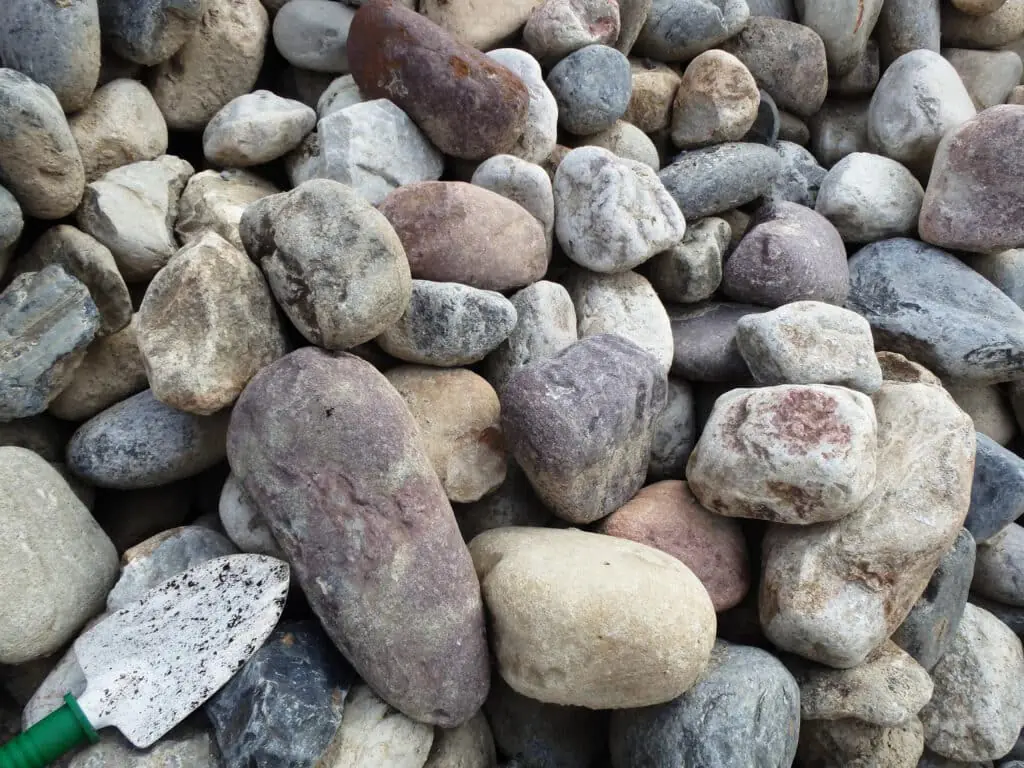
River rock adds a natural aesthetic to landscapes with its smooth, rounded shapes and variety of colors. It is perfect for creating garden beds, water features, or ground covers. The available sizes often range from 1 to 8 inches, allowing for versatile applications in different projects. Notable examples include:
- Maryland River Rock (1-4 Inch): A popular choice for ground cover and decorative rock gardens.
- Decorative River Rock (3-5 Inch): Works well for creating pathways and enhancing visual appeal.
- Bulk River Rock (5-8 Inch): Great for drainage systems and erosion control.
Incorporating river rock can enhance the overall beauty of your landscaping while simultaneously serving functional purposes.
Bluestone
Bluestone is a resilient stone known for its striking bluish-gray hue, making it a favored choice for patios and hardscapes. It is particularly durable, which allows it to endure various weather conditions without losing its physical integrity. Here are some types of bluestone:
- Bluestone Gravel (3/8 Inch): Perfect for creating pathways with a smooth finish.
- #57 Bluestone for driveways: Offers strength and aesthetic appeal for driveways and parking areas.
Choosing bluestone enhances the visual impact of outdoor living spaces while ensuring durability and ease of maintenance.
Pricing
The cost of landscape stones can vary significantly based on the type, size, and source. Understanding these price ranges can aid in budgeting for your landscaping project. For instance:
- Maryland River Rock (1-4 Inch) is available at competitive pricing.
- Bulk River Rocks (5-8 Inch) are offered at affordable rates.
- Gravel types can also vary, and pricing is generally available upon request to accommodate delivery costs and specifications.
Evaluating these pricing factors helps in making informed purchasing decisions.
Service Options
When considering bulk landscaping materials, delivery and consultation services play a crucial role in the overall experience. Many suppliers, including Mulch and Stone Landscape Supply, offer tailored solutions for homeowners and contractors alike. Notably, they provide free delivery for bulk orders within Maryland and Virginia. This ensures that materials arrive on-site conveniently, minimizing transportation hassles. Understanding these options is essential for efficient project planning.
How Do Gravel, River Rock, and Bluestone Differ in Appearance and Texture?
Gravel, river rock, and bluestone exhibit distinct visual characteristics that influence their use in landscaping. Gravel is typically angular, which can provide better interlocking for stability, while river rock is rounded, offering a smooth, natural appearance. Bluestone, on the other hand, has a more uniform color and structure that can add elegance to outdoor spaces. Recognizing these differences allows for more informed design choices.
Which Stone Types Are Best Suited for Different Landscaping Uses?
Selecting the appropriate stone type is contingent on specific landscaping functions:
- Gravel: Best for driveways and pathways where drainage is a concern.
- River Rock: Ideal for decorative beds and garden features due to its aesthetic appeal.
- Bluestone: Excellent for patios and walkways where even surfaces and durability are needed.
Understanding these applications ensures that your landscaping projects not only look attractive but also perform effectively.
How to Choose the Right Gravel Types for Landscaping Needs?
When selecting gravel, several factors deserve consideration:
- Purpose: Determine the primary function of the gravel, whether for drainage, landscaping, or decorative purposes.
- Size: Choose appropriate sizes based on your application. Smaller sizes work well for pathways, while larger sizes might be more suitable for erosion control.
- Material: Different types of gravel, such as crushed or round, can affect the performance and aesthetic of your landscape.
By evaluating these criteria, you can select the right gravel for your landscaping needs.
What Are Common Gravel Sizes, Colors, and Drainage Properties?
Gravel comes in various sizes and colors, each impacting its function:
- #57 Gravel: Known for its mix of 3/4 inch pieces; great for drainage and driveways.
- Pea Gravel: Typically around 1/4 inch; ideal for decorative applications.
- Crushed Stone: Various sizes available; offers stability and good drainage.
These factors influence both the appearance and functionality of your landscaping project.
Which Gravel Varieties Work Best for Driveways, Paths, and Garden Beds?
Selecting gravel varieties can be foundational to your project’s success:
- Driveways: #57 gravel provides durability and ease of maintenance.
- Paths: Pea gravel creates a comfortable walking surface while allowing for good drainage.
- Garden Beds: Decorative gravel enhances visual appeal while suppressing weeds.
By understanding these applications, you can create functional and attractive outdoor spaces.
Why Select River Rock: Colors, Sizes, and Installation Tips?
River rock offers several advantages, including variety in color and size, which enhance the visual diversity of landscapes. When considering installation, proper techniques play a significant role:
- Layering: Install in layers to prevent shifting and ensure stability.
- Edging: Use barriers to define the area and maintain structure.
- Drainage: Ensure that river rock is not the only drainage solution to avoid water accumulation.
These installation methods can enhance both the function and longevity of river rock in your landscaping.
What Are Popular River Rock Color Variations and Their Landscaping Benefits?
The aesthetic and functional benefits of river rock colors include:
- Natural beige tones: Complement traditional gardens and landscapes.
- Gray and blue hues: Provide modern looks and pair well with contemporary designs.
- Earthy reds: Can add warmth to outdoor spaces, making them feel inviting.
Such color variations can influence the overall landscaping theme, creating cohesive designs.
How to Properly Install River Rock for Garden and Patio Applications?
Proper installation of river rock is essential for maximizing its benefits:
- Prepare the Area: Clear the intended site of weeds and debris.
- Lay a Foundation: Use landscape fabric or a grid to provide a stable base.
- Distribute Evenly: Spread the rock uniformly to create a polished appearance.
Following these steps ensures an attractive and functional installation.
What Makes Bluestone an Attractive Choice for Patios and Hardscapes?
Bluestone’s appeal lies in its durability and unique aesthetic. It withstands varying weather conditions and enhances outdoor spaces through visual elegance. Its natural color complements numerous designs, allowing for versatility in applications.
How Does Bluestone Compare in Durability, Color, and Price?
In comparing bluestone to other materials, consider:
- Durability: Bluestone’s resistance to weather elements makes it suitable for outdoor applications.
- Color: The unique bluish-gray tone adds a distinctive character compared to traditional gray stones.
- Price: While it can be more expensive than gravel, the longevity and low maintenance often justify the investment. Contact us for a custom quote.
These comparisons highlight why bluestone remains a favored option in landscaping projects.
How to Compare Landscape Stones: Tips for Selecting the Best One?
When choosing landscape stones, remember these tips:
- Assess Your Needs: Determine whether you need stones for aesthetic, functional, or a combination of purposes.
- Compare Costs: Evaluate the cost-effectiveness of each type based on longevity and maintenance.
- Consider Local Availability: Ensure that your chosen materials can be procured easily and sustainably from local suppliers.
Utilizing these strategies can help streamline your selection process, leading to successful landscaping results.
What Factors Influence Stone Choice: Color, Size, Drainage, and Cost?
Key factors influencing your choice of stone include:
- Color: Desires for aesthetic appeal often dictate color choices.
- Size: The dimensions of the area being landscaped will determine size applicability.
- Drainage: Understanding how a stone manages water can significantly affect its functionality in landscaping.
- Cost: Budget constraints can impact choices, balancing quality with affordability. Please contact us for affordable rates.
These components are critical for ensuring that your renovations align with your vision and needs.
Which Stone Is Best for Sustainable and Native Landscaping Trends?
In sustainable landscaping, specific stone types perform exceptionally well:
- Native stones: Often require less energy for transport, making them eco-friendlier.
- Gravel and river rock: These materials promote local biodiversity and can positively impact water management in landscapes.
Choosing these stones supports responsible landscaping decisions while enhancing environmental benefits.
How Does Bulk Landscape Stone Delivery Work from Mulch and Stone?
Bulk landscape stone delivery typically involves several steps to ensure efficient service:
- Ordering Process: Place orders directly through Mulch and Stone, selecting the varieties and quantities needed.
- Delivery Coordination: Mulch and Stone will arrange logistics to deliver stones directly to your desired location.
- On-Site Assistance: Mulch and Stone offers guidance on proper placement and installation upon delivery.
The process is designed to simplify your experience, enabling you to focus on design and execution.
What Are Delivery Areas, Minimum Orders, and Timelines with Mulch and Stone?
Understanding delivery logistics is crucial for successful project execution:
- Delivery Areas: Mulch and Stone services a broad region, covering Northern Virginia and Maryland.
- Minimum Orders: Mulch and Stone offers flexible delivery options, ensuring cost-effectiveness for your projects.
- Timelines: Typical delivery periods are fast and reliable, depending on product availability and order size.
These specifications help you plan effectively, ensuring timely project completion.
How Can Bulk Ordering Save Time and Ensure Project Success?
Bulk ordering offers substantial advantages such as:
- Time Efficiency: Fewer trips required mean less time spent managing logistics.
- Cost-Effectiveness: Purchasing in larger quantities often yields better pricing.
- Consistency: Ensures uniformity in materials, creating a cohesive look for your landscape.
These benefits underscore the practicality of bulk ordering for landscaping projects.
Share this post
Blog Categories
Recent Posts
- Topsoil-compost-overview-11: Topsoil vs Compost: Key Differences
- Bulk Gravel Delivery in Northern Virginia & Maryland | Mulch and Stone
- Bulk Seasoned Firewood Delivery: What to Know Before You Order
- Bulk Sand for Landscaping and Hardscaping: Everything You Need to Know
- The Ultimate Guide to Bulk Topsoil: Types, Uses, and Delivery