
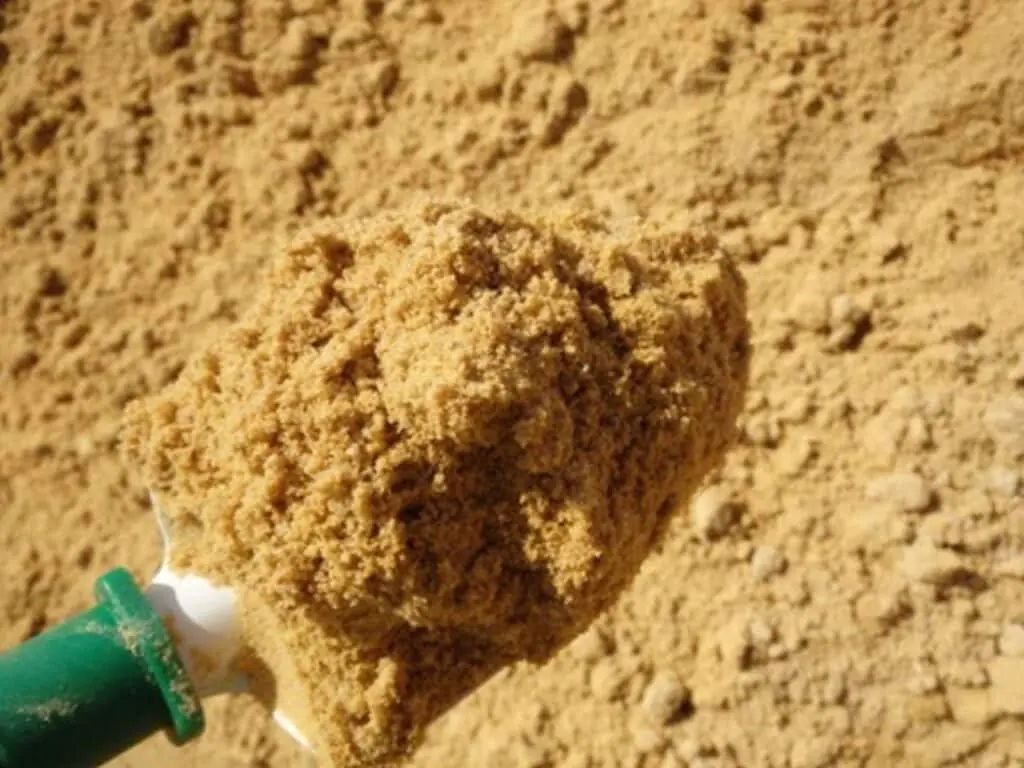
Bulk Sand for Landscaping and Hardscaping: Everything You Need to Know
Selecting the Right Bulk Sand for Your Landscaping Projects
By Jeffrey Heminger, Mulch and Stone
Bulk sand plays an essential role in landscaping and hardscaping, serving as a vital material for a variety of projects, from creating pathways to enhancing soil quality. Understanding the different types of bulk sand and their specific applications can help homeowners, landscapers, and contractors make informed decisions on sourcing and utilizing these materials effectively. This comprehensive guide aims to demystify the available options, the unique characteristics of each sand type, and the best methods for delivery and pricing considerations. By the end of this article, readers will have a clear roadmap for selecting the right sand for their needs, along with insights into where to obtain it and how to assess their quantity requirements. In the following sections, we will explore types of bulk sand, specific uses, sourcing options, delivery methods, and cost considerations.
Comprehensive Guide on Bulk Sand for Landscaping and Hardscaping
Bulk sand is a critical component for both landscaping and hardscaping projects, encompassing a variety of types that serve distinct purposes. Depending on the desired outcome for a project, different sands can be used to achieve specific aesthetic and functional results. Understanding the nuances of each type allows users to make better purchasing decisions that align with their project goals. Moreover, the availability of local suppliers and the methods for delivering these materials enhance the convenience of acquiring bulk sand. This guide serves as a valuable resource for homeowners and professionals alike to navigate the complexities of bulk sand procurement.
1. Types of Bulk Sand:
Different types of bulk sand are available on the market, each designed for particular applications. From masonry sand, perfect for creating mortar, to play sand, which is safe for children’s sandy play areas, the selection can be extensive.
| Type of Sand | Application | Characteristics |
|---|---|---|
| Masonry Sand | Mortar for bricks and stones | Fine, clean, and well-graded for bonding |
| Concrete Sand | Bases for concrete and pavers | Coarse with larger grains for stability |
| Play Sand | Children’s sandboxes | Non-toxic, smooth, and dust-free |
| Bunker Sand | Golf course bunkers | Specifically designed for drainage |
Choosing the right type of sand ensures the effectiveness and longevity of landscaping features, making this knowledge crucial for any project.
Masonry Sand
Masonry sand is a fine, clean type of sand used primarily in the construction of mortar for bricks and stones. It is well-graded, providing a better bond for masonry applications and ensuring stability in structures. Its smooth texture makes it easy to work with, making it a popular choice among contractors.
Play Sand
Play sand is a specially processed type of sand designed for children’s play areas. It is non-toxic, smooth, and dust-free, ensuring safety during playtime. This sand is ideal for sandboxes and playgrounds, allowing children to engage creatively while providing a safe environment.
2. Specific Uses:
The specific uses of bulk sand vary based on its type. Knowing which sand suits each requirement can make a considerable difference in the project’s success.
- Masonry Sand: Used primarily for making mortar, it provides stability and strength to brick walls and stone structures, ensuring long-lasting construction.
- Concrete Sand: Highly effective for creating a stable base for concrete slabs and pavers, this coarse sand allows for adequate water drainage while offering strong support for hardscapes.
- Play Sand: Best utilized in recreational areas, it meets safety standards and offers an enjoyable tactile experience for children’s activities.
3. Sourcing Options:
When looking to source bulk sand, homeowners and contractors have various options at their disposal. Local suppliers often provide immediate access, while online resources can deliver convenience.
A common sourcing option includes:
- Local Suppliers: These suppliers often stock a variety of sand types and offer the benefit of immediate accessibility.
- Online Vendors: E-commerce platforms provide convenience with delivery options directly to job sites, facilitating bulk purchasing.
4. Delivery Methods:
Delivering bulk sand efficiently is essential for ensuring that materials arrive on time and in adequate quantities. Various delivery methods cater to different project needs.
- Same-Day Delivery: Ideal for urgent projects requiring immediate sand supplies, this option allows contractors to maintain project timelines without delay.
- Scheduled Delivery: Perfect for larger projects where precise quantities are needed, this method allows for the planning of deliveries according to project phases.
- Standard Delivery Options: Many suppliers offer standard delivery for convenience, ensuring that bulk sand is transported safely and without hassle.
Mulch and Stone Landscape Supply offers reliable bulk sand delivery across Maryland and Virginia, ensuring homeowners and contractors receive their materials as needed.
5. Ordering Process:
Ordering bulk sand involves several key steps to ensure the right product is obtained efficiently.
- Assessing Project Needs: Before placing an order, determine how much sand is required based on the specific application and project size.
- Contacting Suppliers: Reach out to local or online suppliers for price quotes and availability.
- Scheduling Delivery: Plan the delivery based on project timelines to ensure materials are on-site when needed.
6. Cost Considerations:
The cost of bulk sand is influenced by several factors, including type, quality, and delivery fees.
- Average Costs: Prices for bulk sand are offered at competitive pricing depending on the type.
- Delivery Fees: Delivery fees vary and may depend on distance and quantity; contact suppliers for a custom quote.
Considering these factors helps in estimating the total expenditure for a landscaping project adequately.
7. Estimating Quantity Needs:
Accurately estimating the quantity of sand needed for a project is crucial in preventing over-purchasing or shortages.
- Calculating Total Volume Needed: Measure the area where the sand will be applied and calculate the volume required based on depth.
- Formula for Estimating Sand Quantity: Use the formula Volume = Length × Width × Depth for accurate calculations.
- Factors Affecting Sand Usage: Factors such as compaction and layering methods can influence the amount needed.
8. Tips for Selecting the Right Sand:
Selecting the right type of sand for your project involves considering several essential aspects:
- Intended Use: Understand what the sand will be used for, whether for construction, play areas, or drainage.
- Quality and Drainage Factors: Choose quality materials that facilitate proper drainage for hardscapes.
- Consulting Suppliers: Engage with local suppliers for advice tailored to specific project needs.
Each of these factors plays a significant role in ensuring the successful implementation of landscaping and hardscaping projects, leading to aesthetically pleasing and durable outcomes.