
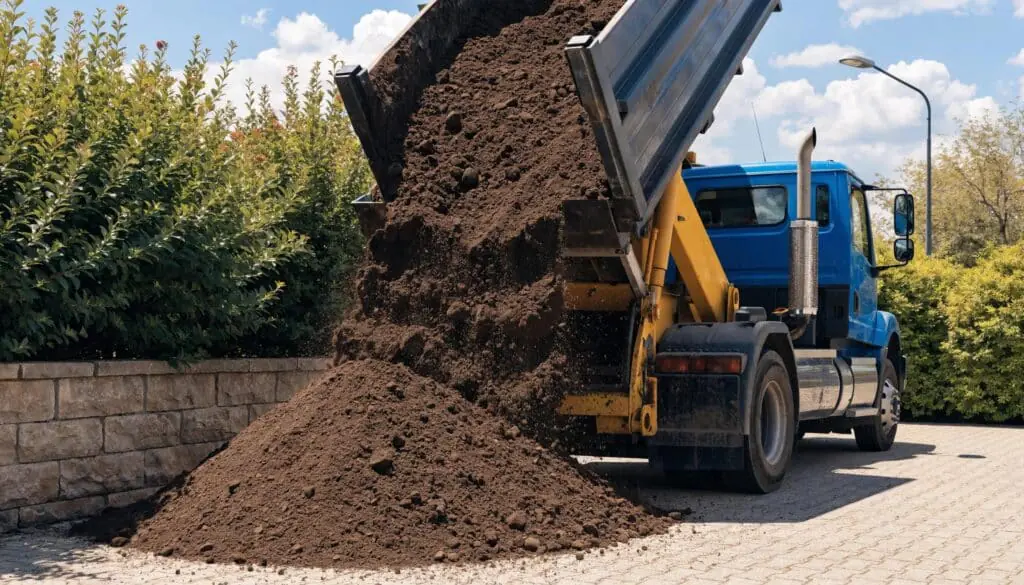
The Ultimate Guide to Bulk Topsoil: Types, Uses, and Delivery
Essential Guide to Bulk Topsoil Delivery and Selection
By Jeffrey Heminger, Mulch and Stone
Bulk topsoil is an essential component for various landscaping projects, providing the foundation for healthy plant growth and robust soil health. This comprehensive guide explores the different types of bulk topsoil, their unique applications, and the benefits of using high-quality topsoil for your gardening and landscaping needs. Many homeowners and landscapers find themselves overwhelmed with choices when it comes to selecting the right soil for their projects. This guide addresses these challenges by outlining key information about bulk topsoil delivery and related services offered by specialized suppliers such as Mulch and Stone Landscape Supply.
In this article, we’ll cover the types of bulk topsoil available, their specific uses in landscaping, methods for ordering, and factors affecting pricing. Additionally, we will discuss the benefits of choosing a local supplier and the geographical options for bulk topsoil delivery in Maryland and Virginia.
What Are the Different Types of Bulk Topsoil Available?
When selecting bulk topsoil, understanding the various types available can greatly influence your landscaping success. Different varieties of topsoil have distinct characteristics that make them suitable for specific applications. The most common types include:
- Screened Topsoil: Finely processed and ideal for various gardening applications, it often contains organic matter that enhances soil health.
- Organic Topsoil Blends: Enriched with compost and nutrients, these blends stimulate plant growth, making them perfect for vegetable gardens and flower beds.
- Unscreened Topsoil: Typically less expensive, this type contains larger particles and organic debris, making it suitable for filling large areas.
- Compost Mixes: Combining compost with topsoil, these mixes improve soil fertility and moisture retention.
- Fill Dirt: This is a less nutrient-rich soil used primarily to fill in low areas or level the ground.
Choosing the correct type of topsoil is critical for achieving optimal results in any landscaping project. For specialized recommendations and delivery, consider services offered by local landscape suppliers, such as Mulch and Stone Landscape Supply.
What Is Screened Topsoil and What Benefits Does It Offer?
Screened topsoil is processed to remove larger particles and debris, creating a fine, uniform texture that is easy to work with. Its composition generally includes a mix of organic matter and minerals, helping to improve soil fertility and support healthy plant growth. The benefits of using screened topsoil include:
- Improved Water Retention: Its fine texture helps retain moisture, crucial for delicate plants and newly seeded areas.
- Enhanced Nutrient Availability: The presence of organic materials supports a greater range of nutrients and beneficial microbes.
- Versatility: Screened topsoil can be used for various applications, including lawn topdressing, filling in depressions, and creating new planting beds.
Utilizing screened topsoil can lay the foundation for successful gardening efforts in your landscape.
How Does Organic Topsoil Differ from Other Soil Types?
Organic topsoil is characterized by its higher content of organic materials, often derived from decomposed plant matter or compost. This type of topsoil greatly differs from traditional soils primarily due to its enhanced nutrient profile and health benefits for plants. Key characteristics include:
- Enhanced Soil Health: Organic topsoil promotes healthy microbial activity, contributing to a vibrant ecosystem in the soil that fosters plant growth.
- Sustainable Gardening: It supports eco-friendly gardening practices by reducing the need for chemical fertilizers.
- Greater Nutrient Retention: Organic matter improves nutrient absorption and water retention, essential for plant health.
The advantages of using organic topsoil make it the preferred choice for gardeners looking for sustainable solutions.
How Can Bulk Topsoil Be Used for Landscaping Projects?
Understanding the various applications for bulk topsoil can enhance your landscaping projects, providing tailored solutions to meet specific needs. Bulk topsoil can be effectively used in the following ways:
- Creating Flower and Vegetable Gardens: Bulk topsoil provides a nutrient-rich base, essential for healthy plant growth in gardens.
- Lawn Establishments: Using topsoil as a topdressing layer can improve the quality of existing lawns by enhancing soil structure and fertility.
- Filling and Grading Applications: Bulk topsoil can be used to fill low spots or create new contours in your landscaping for better drainage.
For those interested in acquiring bulk topsoil, the ordering and delivery processes can be seamlessly managed through local suppliers, such as Mulch and Stone Landscape Supply.
What Are the Best Applications of Topsoil for Lawns and Gardens?
Bulk topsoil serves multiple purposes in both lawn and garden applications. Effective uses include:
- New Lawn Installations: Assuring a suitable soil layer can help to establish strong root systems.
- Flower and Vegetable Beds: Topsoil’s nutrient-rich content supports robust plant growth.
- Tree Planting: Using quality topsoil around tree roots can enhance establishment and longevity.
These applications illustrate the importance of selecting the right type of topsoil for each specific project to ensure success.
How Does Topsoil Improve Soil Quality and Support Plant Growth?
Topsoil is vital in improving overall soil quality, which, in turn, supports healthy plant growth. Essential benefits include:
- Nutrient-Rich Composition: Topsoil typically contains essential nutrients that are beneficial for promoting plant health.
- Improved Soil Structure: Quality topsoil enhances aeration and drainage, which is crucial for root development.
- Enhanced Water Retention: Proper topsoil promotes moisture retention, reducing the need for frequent watering.
Incorporating topsoil into your landscaping is essential for fostering an environment conducive to plant growth.
How to Order Bulk Topsoil and What Does the Delivery Process Involve?
Ordering bulk topsoil involves a few straightforward steps. Typically, you should:
- Select Type and Quantity: Determine the suitable type of topsoil and the amount required for your project.
- Contact Supplier: Reach out to local suppliers like Mulch and Stone Landscape Supply for competitive pricing and availability.
- Schedule Delivery: Arrange for a delivery time that fits your project timeline, generally within 1 to 3 business days.
This clear process ensures that you can quickly acquire the necessary topsoil for your landscaping needs.
What Are the Steps to Buying Bulk Topsoil Online Near Maryland and Virginia?
Purchasing bulk topsoil online has become an accessible option for many. Key steps in this process include:
- Research Suppliers: Find reputable suppliers that offer online ordering options in Maryland and Virginia.
- Select Products: Choose the appropriate type of topsoil based on the project requirements.
- Input Payment Information: Most online platforms will guide you through the payment and shipping details.
Utilizing online resources for ordering can streamline your bulk topsoil buying experience.
How Is Bulk Topsoil Delivery Scheduled and Managed Locally?
Local delivery services play a significant role in ensuring timely access to bulk topsoil. Here’s how the scheduling process typically works:
- Order Confirmation: Upon placing an order, suppliers confirm the details and delivery timelines.
- Logistics Coordination: Suppliers manage the logistics of transporting topsoil to the specified location, ensuring efficiency and reliability.
- Delivery Execution: Bulk topsoil is usually delivered directly to the job site through specialized trucks, making the process seamless for homeowners and contractors.
Efficient delivery management minimizes delays and simplifies the landscaping process.
What Factors Affect the Cost of Bulk Topsoil Per Cubic Yard?
Several factors play a role in determining the cost of bulk topsoil, including:
- Quality of Soil: Higher quality soils typically command a greater price due to their enhanced benefits and nutrient content.
- Type of Soil: Specialty types, such as organic blends, can be more expensive than standard topsoil due to their added components.
- Delivery Fees: Costs may vary based on distance from the supplier to the delivery location.
Understanding these factors helps in budgeting for your landscaping needs. Contact your supplier for a custom quote tailored to your project.
How Do Soil Type and Quality Influence Pricing?
Soil type and quality greatly influence pricing, as the following points illustrate:
- Higher Quality Means Higher Costs: Premium soils typically come at a premium price due to increased nutrient content and processing.
- Specific Types: Organic and enriched soils are priced higher than basic fill dirt due to their benefits for plant growth.
- Regional Variations: Pricing can fluctuate based on local market competition and availability of resources.
Recognizing these influences can guide your purchasing decisions, helping you choose the best quality at affordable rates.
Are There Delivery Fees or Quantity Discounts to Consider?
When planning for bulk topsoil delivery, consider potential delivery fees and quantity discounts, such as:
- Delivery Charges: Fees may apply based on the total distance or the amount being delivered, impacting overall budget.
- Bulk Order Discounts: Purchasing in larger quantities often leads to reduced rates, making it economical for extensive projects.
- Promotions: Local suppliers may offer seasonal promotions that can further reduce costs.
Being aware of these additional expenses is critical for effective planning. Contact your supplier for details on current pricing structures.
Where Is Bulk Topsoil Delivery Available Near Me in Maryland and Virginia?
Bulk topsoil delivery is widely available across many regions. Key areas served include:
- Virginia: Fairfax County, Loudoun County, and Prince William County.
- Maryland: Montgomery County and Prince George’s County.
Utilizing local suppliers can significantly simplify the logistics of acquiring topsoil for your projects.
Which Locations Are Served by Mulch and Stone Landscape Supply?
Mulch and Stone Landscape Supply caters to a variety of locations, allowing easy access to essential landscaping materials. The areas served include:
- In Virginia: Fairfax County, Loudoun County, and Prince William County.
- In Maryland: Montgomery County and Prince George’s County.
This regional coverage facilitates efficient delivery options for those looking to purchase bulk topsoil.
What Are the Benefits of Choosing a Local Topsoil Supplier?
Selecting a local topsoil supplier offers numerous advantages:
- Cost-Effectiveness: Local suppliers often have lower shipping fees and more competitive prices.
- Community Support: Sourcing locally strengthens community businesses and promotes local economies.
- Convenience: It simplifies the logistics and reduces waiting time for delivery.
The benefits of local engagement make it a smart choice for consumers looking to invest in landscaping.
What Are Frequently Asked Questions About Bulk Topsoil Delivery?
When considering bulk topsoil, many questions arise. Common inquiries include:
- How much topsoil do I need?: Calculating the area and coverage depth helps determine the volume required.
- Can I use topsoil for raised beds?: Yes, topsoil is ideally suited for raised gardening beds, enhancing plant growth and drainage.
- What is the best type of topsoil for my project?: Organic blends are often recommended for vegetable gardens, while screened topsoil suits general landscaping needs.
These frequently asked questions reflect the critical considerations in choosing and ordering bulk topsoil.