Frequently Asked Questions
How can I find gravel suppliers near me?
Finding gravel suppliers near you is straightforward. You can search online using terms like "gravel suppliers near me" or check local business directories. Additionally, Mulch and Stone offers quality gravel delivery services in Virginia and Maryland.
What are the benefits of using crushed gravel for landscaping?
The benefits of using crushed gravel for landscaping include its affordability, excellent drainage properties, and versatility in design. It effectively suppresses weed growth and can be used for pathways, driveways, and decorative features, making it a practical choice for various projects.
What types of gravel are available for landscaping projects?
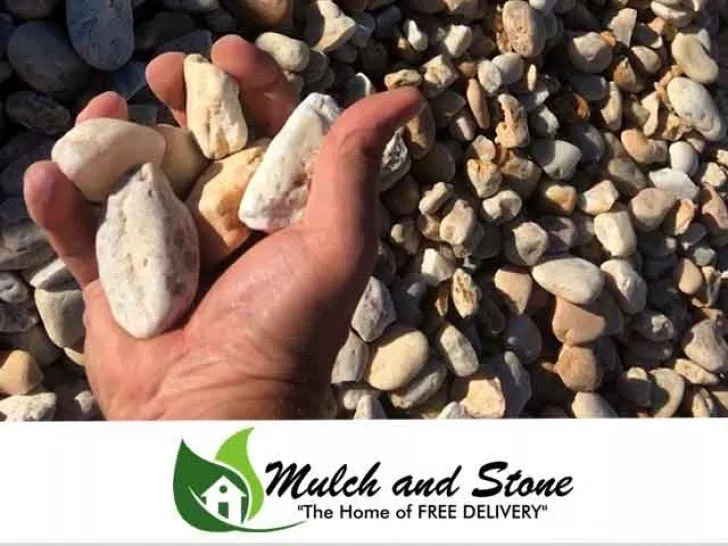
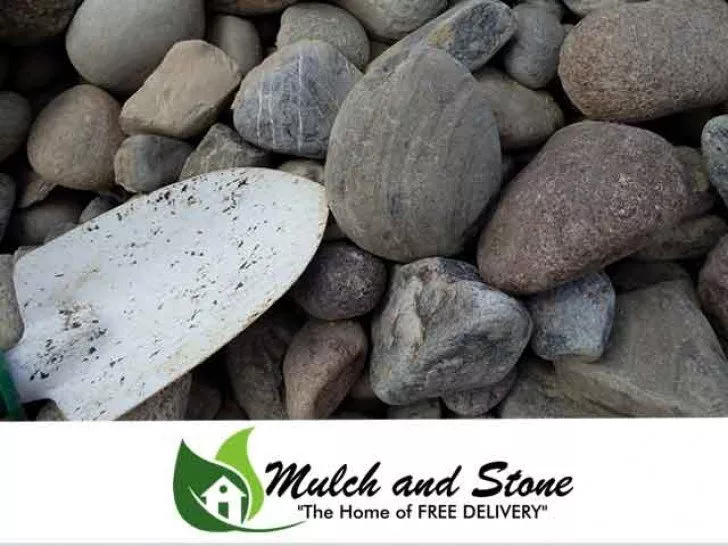
The types of gravel available for landscaping projects include Crush and Run Gravel, Pea Gravel, River Rock, and Decorative Stone. Each type serves different purposes, from creating pathways to enhancing garden aesthetics.
How do I calculate the amount of gravel needed for my project?
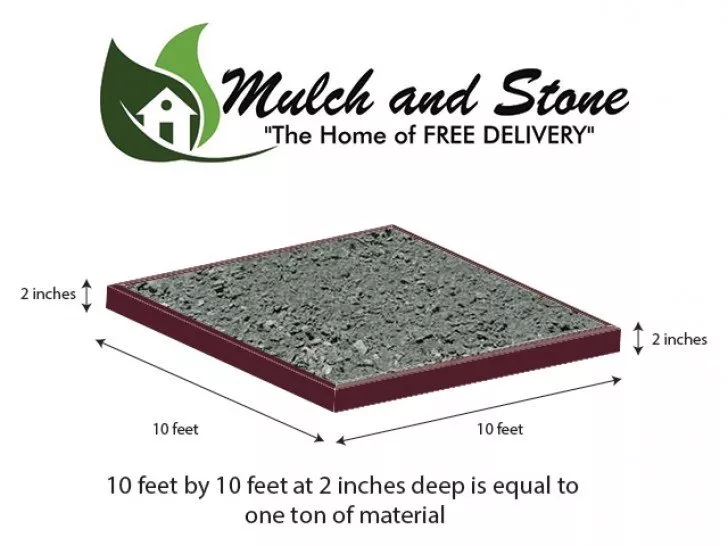
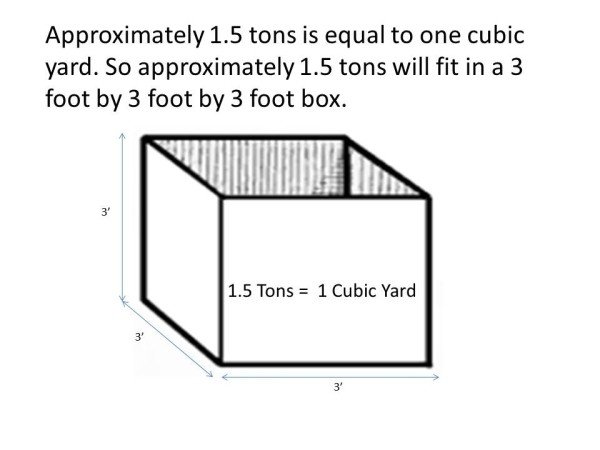
Calculating the amount of gravel needed for your project involves measuring the area you plan to cover. Multiply the length, width, and desired depth (in feet) to get the cubic feet, then divide by 27 to convert to cubic yards.
What is Crush and Run Gravel used for?
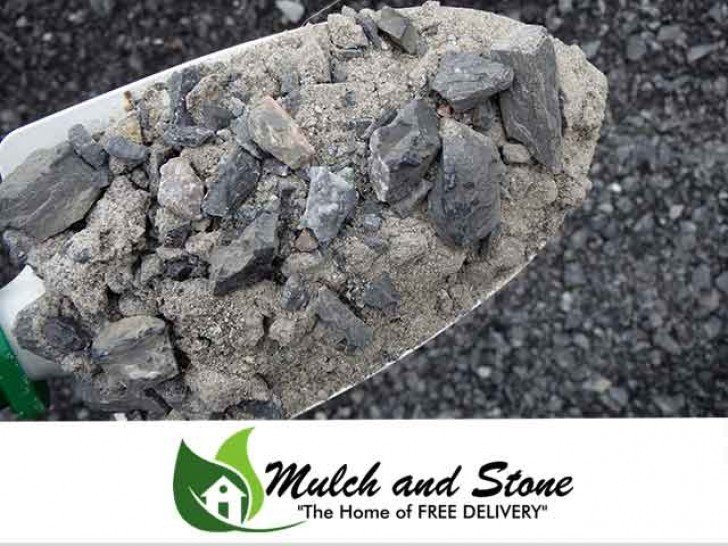
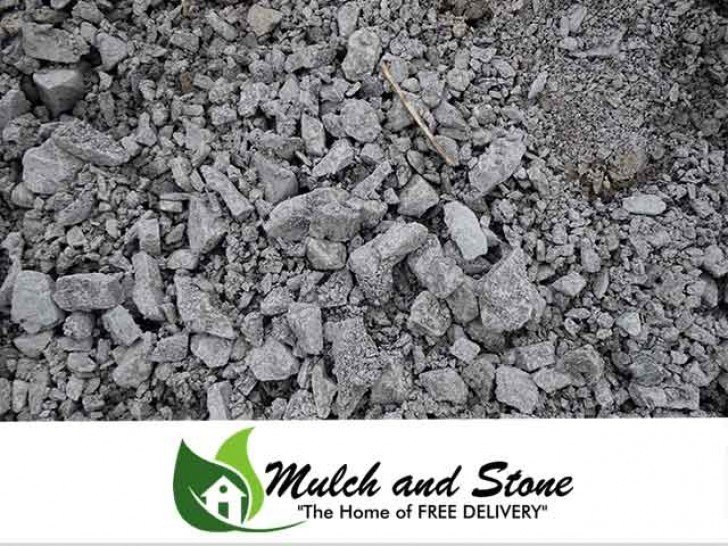
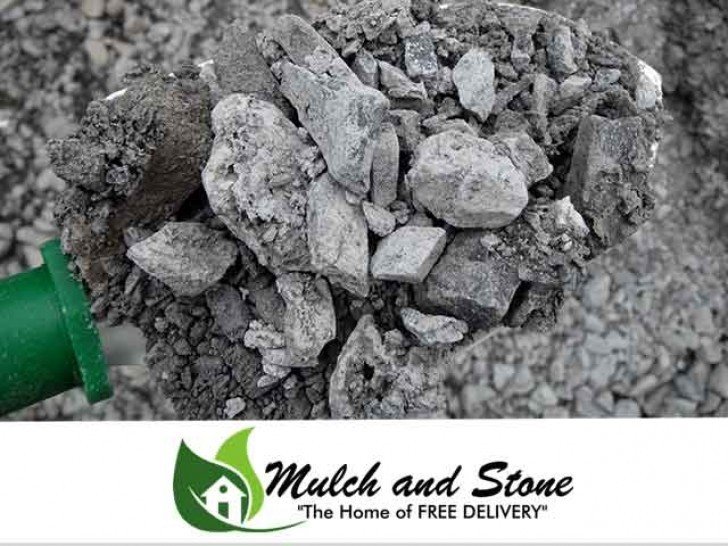
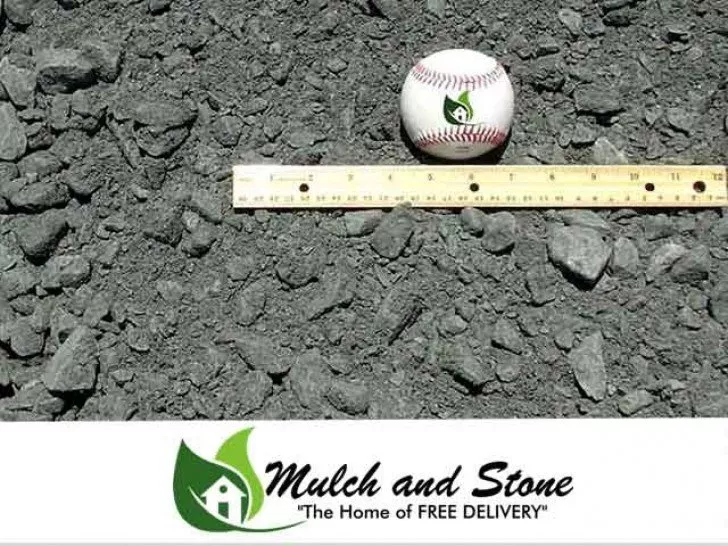
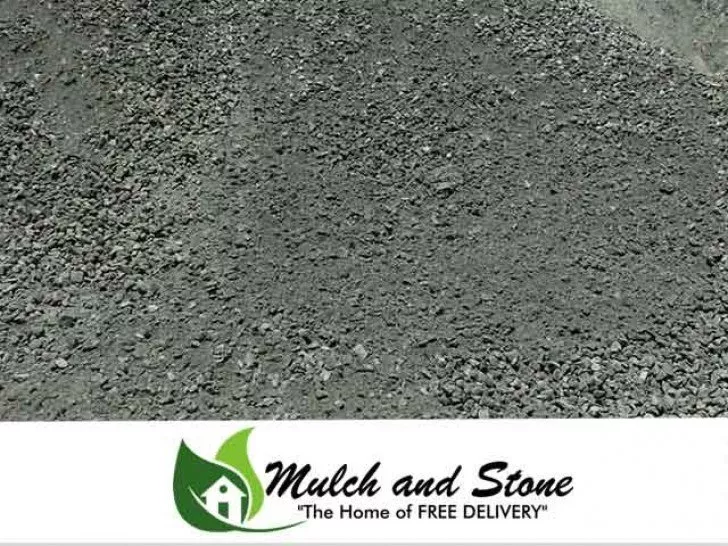
Crush and Run Gravel is used primarily for creating stable bases for driveways, walkways, and patios, as well as for drainage purposes and erosion control in landscaping projects. Its compact nature makes it ideal for these applications.
What are the delivery options for gravel in Virginia and Maryland?
The delivery options for gravel in Virginia and Maryland include free delivery directly to your location. We cater to both residential and commercial customers, ensuring your landscaping materials arrive promptly and efficiently.
Where can I buy gravel locally?
You can buy gravel locally at Mulch and Stone, your trusted landscaping supply business in Virginia and Maryland. We offer a variety of gravel options, including Crush and Run Gravel, with convenient delivery services.
What is the cost of crushed gravel?
The cost of crushed gravel varies based on factors such as location and quality, typically ranging from $25 to $60 per ton. For accurate pricing and delivery options in Virginia and Maryland, please contact Mulch and Stone.
How is crushed gravel different from regular gravel?
Crushed gravel differs from regular gravel in its composition and texture. Crushed gravel is made from larger stones that are mechanically broken down, resulting in sharper edges, while regular gravel consists of naturally rounded stones, making it smoother and less compact.
What projects benefit from using crushed gravel?
Projects that benefit from using crushed gravel include driveways, walkways, drainage systems, and landscaping features. Its versatility and durability make it an ideal choice for both residential and commercial applications.
Can crushed gravel be used for driveways?
Crushed gravel can indeed be used for driveways. It provides a durable, cost-effective surface that can handle heavy traffic while offering excellent drainage properties.
How do I choose the right gravel type?
Choosing the right gravel type depends on its intended use, such as drainage, driveways, or landscaping. Consider factors like size, composition, and local climate to ensure optimal performance for your project.
What are the advantages of using gravel in landscaping?
The advantages of using gravel in landscaping include its cost-effectiveness, excellent drainage properties, low maintenance requirements, and versatility in design. Gravel can enhance aesthetic appeal while providing a stable surface for pathways and driveways.
How does gravel improve drainage in landscaping?
Gravel improves drainage in landscaping by allowing water to flow through its gaps, preventing pooling and erosion. Its porous nature facilitates quick drainage, making it ideal for managing excess water and maintaining healthy soil conditions.
What is the best way to install gravel?
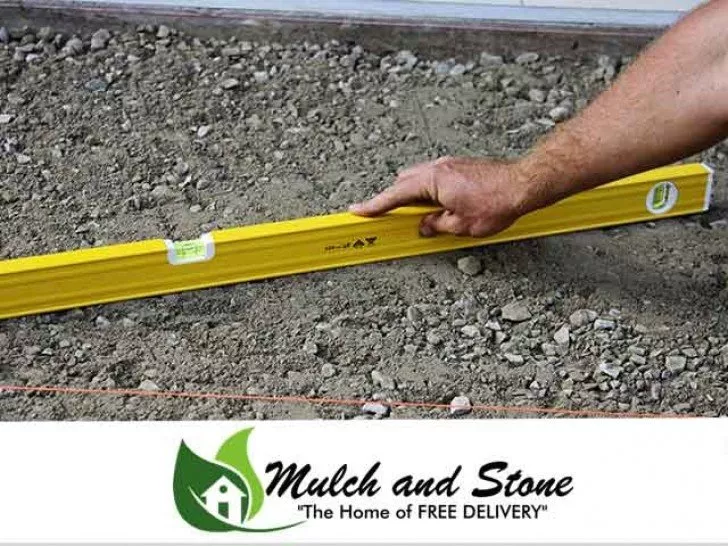
The best way to install gravel involves preparing the area by clearing vegetation, leveling the ground, and laying landscape fabric. Then, evenly distribute the gravel, compact it for stability, and ensure proper drainage for optimal results.
How thick should a gravel layer be?
The thickness of a gravel layer should typically be 2 to 4 inches for driveways and pathways, while a thicker layer of 6 to 12 inches is recommended for areas requiring more stability, such as bases for patios or heavy traffic.
What maintenance does gravel landscaping require?
Gravel landscaping requires minimal maintenance. Regular raking to redistribute stones, occasional weed control, and replenishing gravel every few years will help maintain its appearance and functionality.
Can I use gravel for garden paths?
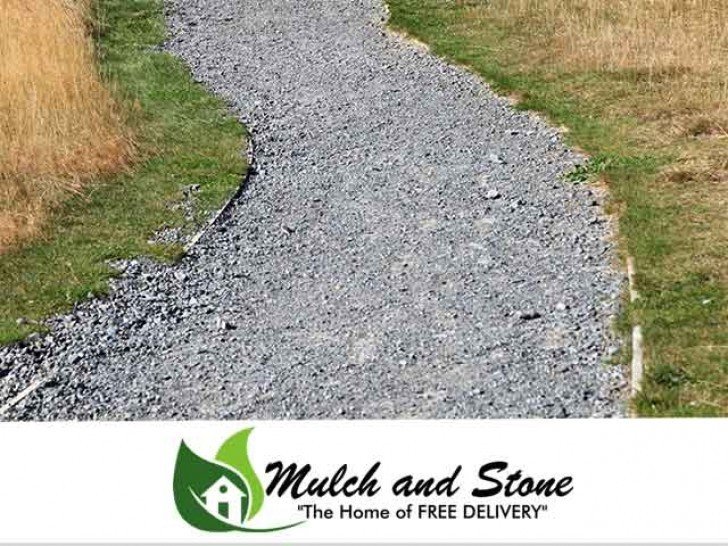
Gravel is an excellent choice for garden paths. It provides a durable, low-maintenance surface that allows for good drainage and can enhance the natural beauty of your landscape.
What colors of gravel are available?
The available colors of gravel include shades such as gray, brown, and red, along with variations like white and black. These options allow you to choose the perfect color to complement your landscaping project.
How does gravel affect soil quality?
Gravel affects soil quality by improving drainage, reducing compaction, and enhancing aeration. It helps prevent erosion and supports healthy root growth, making it beneficial for landscaping and gardening applications.
Is crushed gravel eco-friendly for landscaping?
Crushed gravel is eco-friendly for landscaping as it is a natural material that promotes drainage, reduces erosion, and can be sourced locally, minimizing transportation emissions. Additionally, it supports sustainable landscaping practices by providing a durable and low-maintenance option.
What tools do I need for gravel installation?
The tools needed for gravel installation include a shovel, rake, tamper, wheelbarrow, and landscape fabric. These tools will help you effectively spread and compact the gravel for a smooth, even surface.
How do I prevent weeds in gravel areas?
Preventing weeds in gravel areas involves using a landscape fabric beneath the gravel, applying a pre-emergent herbicide, and regularly maintaining the area by removing any visible weeds promptly. This combination effectively minimizes weed growth.
What is the lifespan of gravel landscaping?
The lifespan of gravel landscaping can vary significantly, typically lasting between 10 to 30 years, depending on factors like material quality, maintenance, and environmental conditions. Proper installation and care can extend its durability and aesthetic appeal.
Can I mix different types of gravel?
Mixing different types of gravel is possible and can be beneficial. Combining various gravel types can enhance drainage, improve aesthetics, and create a more stable base for landscaping projects.
How do I transport gravel for my project?
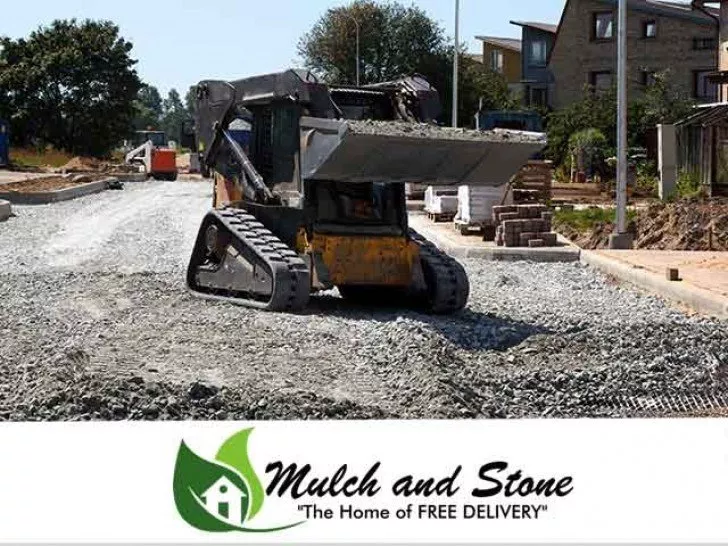
Transporting gravel for your project can be done efficiently by using a truck or trailer. For smaller quantities, a pickup truck works well, while larger projects may require a dump truck for easy loading and unloading.
What are common mistakes in gravel installation?
Common mistakes in gravel installation include improper site preparation, inadequate compaction, and neglecting to create a proper drainage system. These errors can lead to uneven surfaces and premature wear, affecting the longevity and effectiveness of the gravel.
How does gravel compare to mulch for landscaping?
Gravel and mulch serve different purposes in landscaping. Gravel is durable, promotes drainage, and requires less maintenance, while mulch provides insulation, retains moisture, and improves soil quality. Choosing between them depends on your specific landscaping needs.
What is the best gravel for erosion control?
The best gravel for erosion control is typically Crush and Run Gravel, as it compacts well and creates a stable surface that reduces water runoff, helping to prevent soil erosion effectively.
How can I enhance gravel with plants?
Enhancing gravel with plants involves selecting low-maintenance, drought-resistant species that thrive in rocky soils. Consider using ground covers, ornamental grasses, or succulents to create visual interest and improve drainage while blending seamlessly with the gravel landscape.