Understanding the Different Types of Mulch
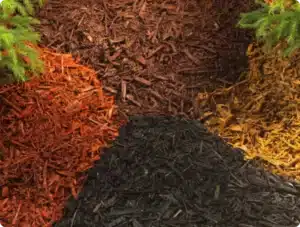
Choosing the right type of mulch is essential for achieving optimal results in your garden. Mulch can be categorized into organic and inorganic types, each offering unique benefits.
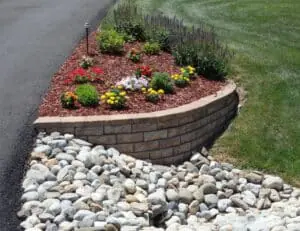
For instance, organic mulches are excellent for moisture retention and weed suppression, making them ideal for vegetable gardens. In contrast, decorative stone mulches can enhance the aesthetic appeal of flower beds while requiring less maintenance. Understanding these differences allows gardeners to select the best mulch for their specific needs and gardening goals.
The Importance of Mulch in Soil Health
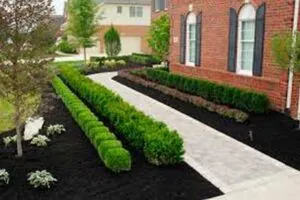
Mulch plays a critical role in maintaining soil health by regulating temperature, retaining moisture, and suppressing weeds. By forming a protective layer over the soil, mulch helps to keep the ground cool during hot weather and warm during colder months, creating a stable environment for plant roots.
Moreover, as organic mulch breaks down, it adds valuable nutrients back into the soil, promoting a healthy ecosystem for beneficial microorganisms. This not only improves soil structure but also enhances its ability to hold water and nutrients, leading to more robust plant growth and reduced need for chemical fertilizers.
How to Properly Apply Mulch
Applying mulch correctly is crucial to maximizing its benefits for your garden. Begin by clearing the area of weeds and debris, then lay down a layer of mulch approximately 2-4 inches thick, ensuring not to pile it against plant stems or tree trunks to prevent rot and pests.
It's important to refresh your mulch annually or biannually, as it can decompose or be displaced over time. Regular maintenance not only preserves the aesthetic appeal of your garden but also ensures that the protective qualities of the mulch remain effective throughout the growing season.
Choosing the Right Decorative Stone for Your Landscape
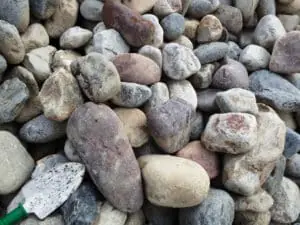
When selecting decorative stone for landscaping, consider factors such as color, size, and texture to complement your home's exterior and garden design. Decorative stones can enhance pathways, borders, and flower beds, making them a versatile choice for various landscaping projects.
For example, larger stones may be ideal for creating a rustic look in a garden, while smaller pebbles can be used for pathways or as ground cover. It's also essential to consider the drainage properties of the stone, as certain types can help manage water runoff and prevent erosion, contributing to a sustainable landscape.